Crispy Legacy: Discovering the Famous Chicharon of Carcar
Tucked in the heart of Cebu lies Carcar, a city known not just for its heritage houses but also for a crunchy, savory treat that has captured the hearts (and stomachs) of many—chicharon. Join us as we take a bite into the story behind Carcar’s iconic pork delicacy, meet the makers, and explore what makes this crackling snack a must-try!
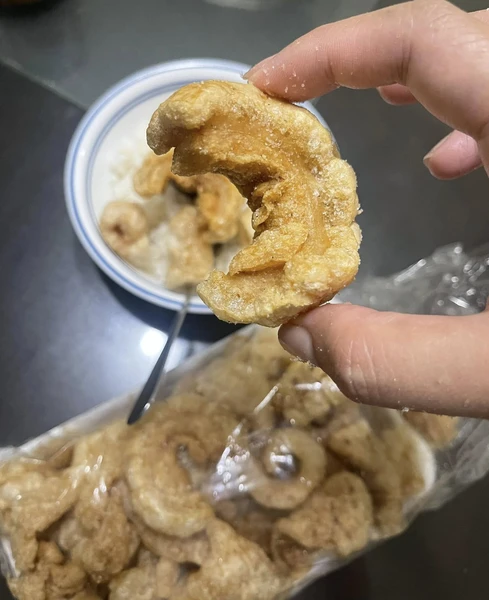
When you talk about Carcar, Cebu, one thing almost always comes to mind—chicharon. This golden, crispy pork rind is more than just a snack; it’s a proud symbol of Carcar’s rich culinary tradition. Unlike ordinary chicharon found elsewhere, Carcar’s version is known for its light, airy crunch and a distinct flavor that comes from a time-honored method of preparation passed down through generations.
Locals will tell you that the best chicharon is freshly made and still warm, often sold by vendors lining the streets or at the bustling Carcar Public Market. The process is both an art and a labor of love—starting with carefully cleaned pork skin and fat, slow-boiled, air-dried, and finally deep-fried to perfection. The result? A crackling bite that’s satisfyingly loud and addictively delicious.
But beyond the irresistible crunch, Carcar’s chicharon also tells a story of family traditions, small-town pride, and entrepreneurial spirit. Many of the vendors you’ll meet are part of multi-generational businesses, keeping the legacy alive while serving both locals and curious tourists alike.
Whether you eat it as is, dip it in vinegar, or use it as a topping on your favorite Filipino dishes, one thing is certain: no trip to Carcar is complete without a bag of its legendary chicharon.
A Bite of History: Chicharon Through the Years
Long before it became a popular pasalubong (souvenir snack), chicharon in Carcar was already a household staple. The tradition dates back decades, when families used every part of the pig to minimize waste—turning pork skin into something both practical and delicious. What started as home-based production slowly evolved into small-scale businesses, with recipes refined through time, often kept as family secrets.
During local fiestas, chicharon became a celebratory treat, served to guests and paired with cold drinks or local vinegar. Its fame spread quickly, and soon, Carcar earned the reputation as “The Chicharon Capital of Cebu.” Over the years, what was once a backyard business grew into a bustling industry, providing livelihoods to many and drawing food lovers from all over the country.
Today, while modern techniques have helped speed up production, many Carcar chicharon makers still stick to traditional methods—honoring their roots while embracing a growing demand.
From Skin to Crunch: How Carcar Chicharon Is Made
Behind every perfectly puffed piece of chicharon is a meticulous process that turns simple pork skin into a mouthwatering masterpiece. In Carcar, chicharon-making is more than just cooking—it’s a ritual that blends patience, technique, and a whole lot of heat.
It all starts with selecting the right pork skin, often with just the right amount of fat for flavor and crunch. The skin is thoroughly cleaned and boiled, removing impurities and softening the texture. Once tender, it's sliced into strips and laid out to dry, sometimes under the hot sun—an old-school technique that many locals swear by.
When the skin is dry and ready, it’s time for the magic: deep frying in big, open vats. This is where experience truly counts. The timing and temperature must be just right to make the skin puff up into a crisp, golden snack without turning greasy or burnt. Some vendors add secret seasonings during or after frying to give their chicharon a signature twist.
The result? A bag of freshly made chicharon that’s still warm, aromatic, and unbelievably crunchy. It’s not uncommon to see customers munching right away, unable to resist the sound and flavor of that first satisfying bite.
Meet the Makers: The Heart Behind Every Crunch
Behind every iconic bag of Carcar chicharon is a story—a family, a livelihood, and a deep-rooted passion for the craft. Walk through the Carcar Public Market, and you’ll be greeted by rows of friendly vendors proudly offering their freshly cooked creations, each one claiming theirs is the crispiest in town.
One such vendor is Aling Nena, who has been selling chicharon for over 30 years. What started as a way to support her children’s schooling has now become a full-fledged family business, with her grandchildren helping out in production and packaging. “It’s more than just a business to us,” she shares with a warm smile. “It’s a part of who we are.”
Another popular name is Mang Toto, known for his extra crunchy chicharon with just the right touch of saltiness. Loyal customers swear by his secret blend of seasonings, which he playfully refuses to reveal. “It’s a family secret,” he laughs, “but I can tell you this: it’s made with love.”
These vendors aren’t just selling snacks—they’re preserving tradition, sustaining livelihoods, and offering a genuine taste of Carcar’s culinary soul. Whether you're buying a small pack for yourself or boxes to take home, you’re not just bringing chicharon—you’re bringing a piece of Carcar’s story.
Travel Tips: Your Crunchy Carcar Adventure
Planning a trip to Carcar? Here are a few tips to make sure your chicharon experience is as crispy as it gets:
🕗 Go early. The best chicharon sells fast—especially the freshly cooked ones. Morning is the best time to visit the Carcar Public Market if you want to catch them still warm and crackling.
🛍️ Buy from different vendors. Each has their own unique twist—some are saltier, some are puffier, some are spiced. Grab a few packs from different stalls and have your own tasting tour.
📦 Ask for vacuum-sealed packs if you plan to bring some home or travel far. Most vendors are happy to seal them up to keep the chicharon fresh and crispy.
🥣 Try it with vinegar! Locals love dipping their chicharon in spiced vinegar (sukang pinakurat style). Some stalls even give out free packets or have their own bottled mix for sale.
🗺️ Don’t miss the heritage tour. While you're in town, take some time to explore Carcar’s old Spanish-era houses, the rotunda, and of course—enjoy a cool drink after your chicharon crawl.